


Retail Insights: Visual Merchandising with Paper Tiger
For 45 years, Paper Tiger has been bringing cards, stationery, books, gifts and plenty more to Edinburgh’s high streets. When it comes to visual merchandising, they know their stuff. We caught up with owner and Managing Director, Michael Apter, to talk about creating displays that work hard, and the inspiration he finds in looking at other retailers.
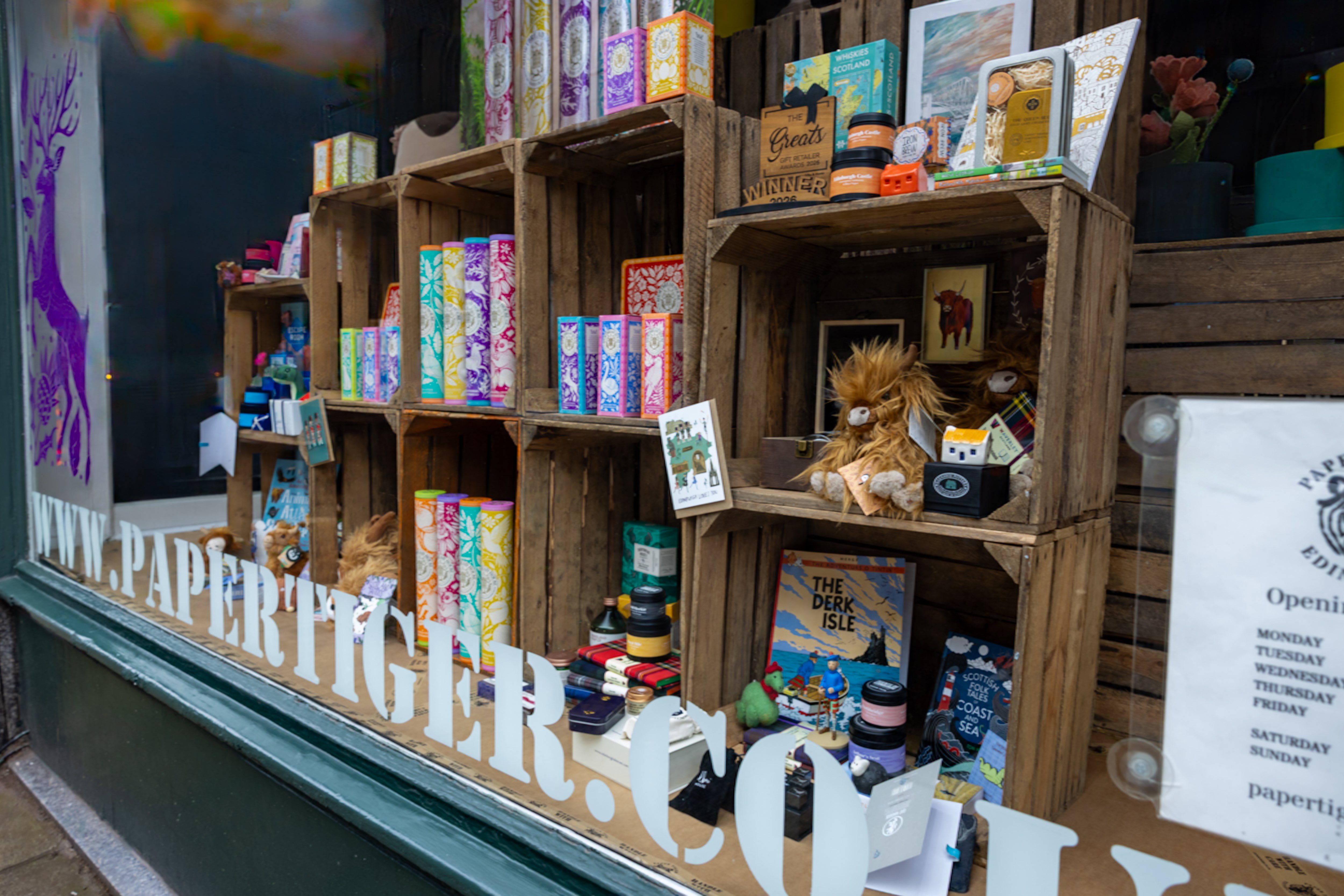
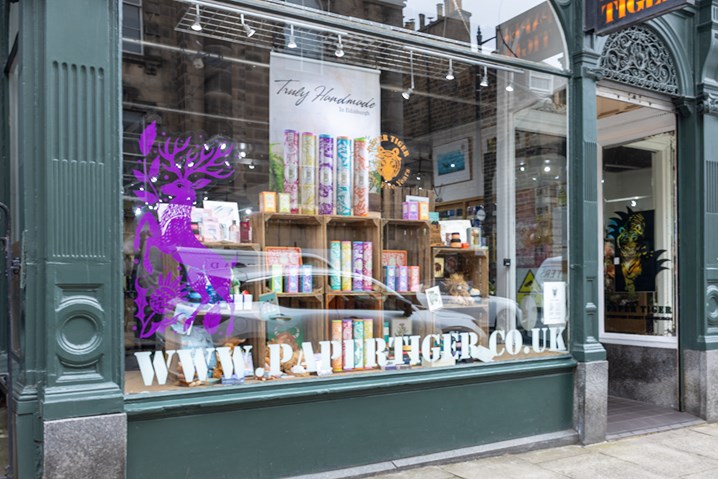
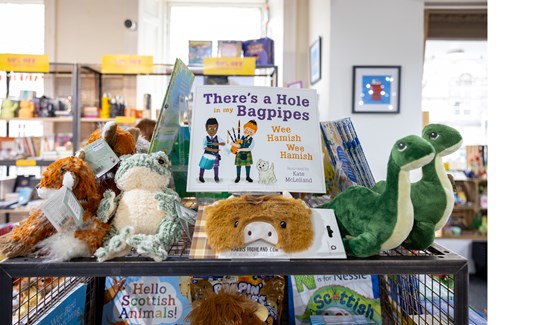
Books as signposts
“We've always stocked books in Paper Tiger, for as long as I can remember. I've been doing this for 29 years and the shops are 45 years old this summer. They’ve always been a part of the product mix, and they've always been bought to match those seasonal themes or complement whatever promotion is running in the shops at any given time.
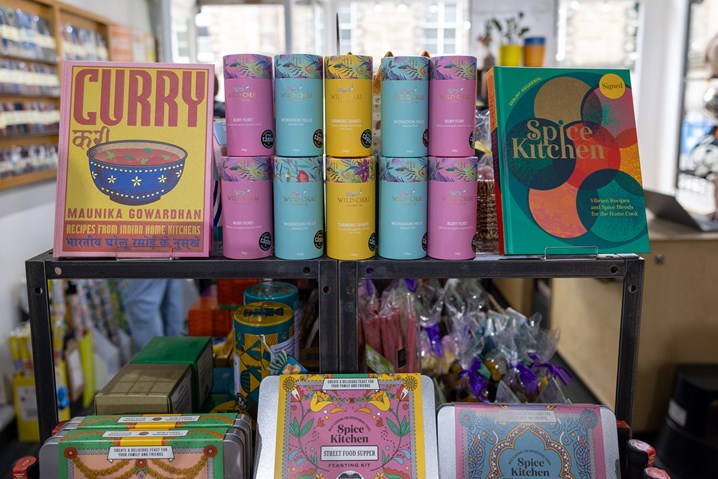
Our approach to visual merchandising tends to be around product type or a cultural theme, putting different product categories together to tell stories to customers. Books help with that storytelling. For example, we did a curry theme for Father's Day, and had maybe three or four titles in there, but they were absolutely key features in the collection.
"We tend towards less is more. Focusing on a few key titles that we can merchandise properly will generate a bigger volume for us."
 Boost average transaction value
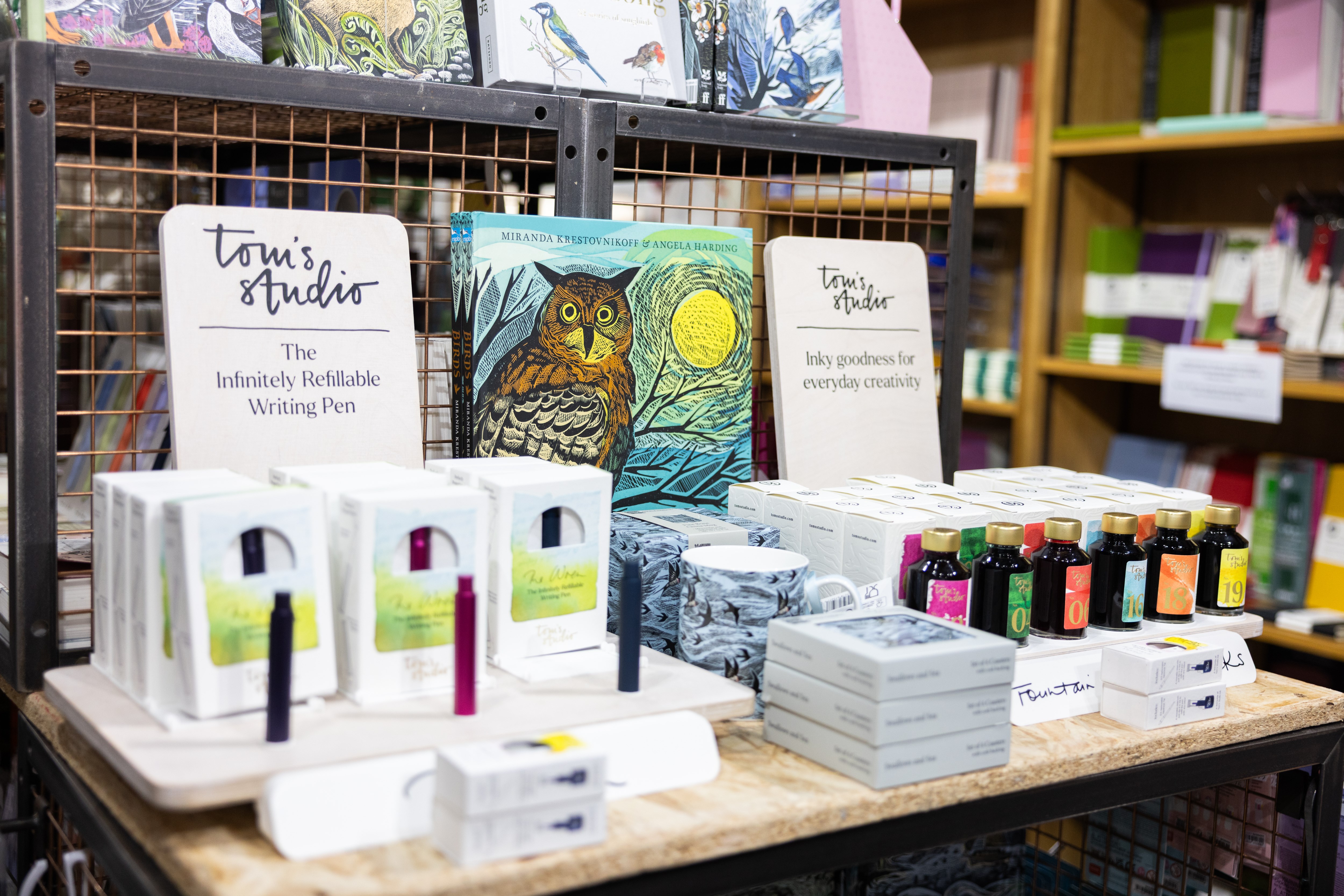
“On the shop floor, we're trying to offer choice, whether that’s colours, sizes, shapes, pattern or price point. We’re always looking for what is the key piece. Every range, supplier or category has almost always got hero products, and you're wanting to make sure that they are heavily featured, front and centre. Then you're looking to build associated products around that to build volume in sales. You want the add-on purchases. We sell lots of cards because people see Paper Tiger as somewhere they know they can get birthday cards, wedding cards et cetera. But we need them to buy more than cards to make the business successful, so we're looking for the right associated products, mainly gifts that they will pick up for other people. With things like stationery or books we often see self-gifting as well. A customer may come in to get something for a family member, but they realise that they need a new notebook. Or they didn’t know that cocktail book for a tenner was just what they needed because friends are coming over this weekend. They’re the kind of hooks that we're trying to put into the collections.”
Keep it moving
“Displays and layouts shift according to what the priority is. Obviously, we follow the usual seasonal points and there will be key deadlines for those displays. During the Edinburgh Festival Fringe, we put a lot of tourism related product front and centre. Once we get into September, Christmas cards go on sale, and we're building towards what the shop will look like in mid to late November for the final six or seven weeks of Christmas trading. So, we’re balancing a lot of events, occasions and activities.”
 Plan ahead
“We just won a Greats Award for our visual merchandising and window displays. We work really hard. The process for Christmas planning can sometimes start as far as 18 months out. We'll see things at the trade fairs. In September, a lot of the card publishers will have their spring season collections on sale for us to buy, so that gives an opportunity to start planning what the windows will look like for Valentine's Day, Mother's Day, and what Easter will look like. I have an idea what our window for next August will be, based on conversations that I've had with suppliers in the summer.”
Look around
"I'm interested in what fashion and sport brands are doing, retailers who aren’t like Paper Tiger. I still find walking up and down Oxford Street and Oxford Circus from Regent Street to be interesting and inspiring, because there are big brands there who are committing a lot of money to their visual merchandising, and you can see where some of the trends are going in terms of how they lay out their shops, the kind of things they're putting in their window displays, and how they're constructing their window displays. There are classics like Selfridges, Harrods and Fortnum and Mason, who do incredible displays with their themes. They're operating at a different level to us, but it's something we aspire to when we're working with our suppliers. We're trying to put things into the shops that will be eye catching for customers and that will give them something different. It’s something to inspire us.
“I have never stopped looking at what other people do. I will spend time in any city I visit, whether I'm working or on holiday, looking at what other retailers are doing."
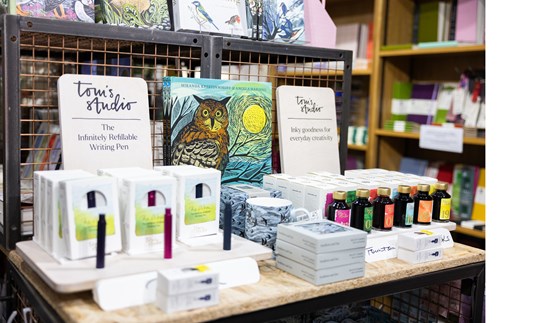 “Find something that you think you like and that you think might work in your own shop in terms of the size and shape and depth of the window and the product collections that you've got. Imitation is the sincerest form of flattery, so that's not a bad place to start. If you're struggling, go and look at what other people are doing and see if you can pull something together from your own retail ranges and from your own imagination that is authentically you. You can take inspiration from lots of different sources, but ultimately, you still need to be authentic to what you're doing with your shop and the products that you select.”

